Choosing the Right Location for Your TV
The first step in how to install a TV is selecting the perfect spot. Ideally, you should:
A central wall, visible from most seats, is ideal. Make sure it is near a power outlet placement to prevent extension cords from running across the room.
Deciding Between Wall Mounting or Stand Placement
One of the biggest choices when installing a TV is whether to mount it on a wall or place it on a stand. Wall mounting has a few advantages. It saves space and gives your living area a clean, modern look. If you choose this option, ensure you have a sturdy wall bracket that can support the weight of your TV.
If you prefer a stand instead, make sure it is wide and stable enough to support your screen. Some people even use TV consoles or showcases that have extra storage space for media devices, game consoles, or speakers.
Both options work well. Remember to consider your room design and aesthetic preferences before choosing a placement.
Finding the Best Height and Viewing Distance
Installing the TV at the right height is essential. A common mistake is mounting the TV too high or too low. Ideally, the middle of the screen should be below eye level when you are seated. This placement prevents any possible neck strain when watching TV. As for distance, follow this simple rule: multiply your TV’s diagonal screen size by 1.5 to 2.5. For example, if you have a 55-inch screen, sit at 6.5 to 11 feet for optimal viewing.
Managing Cables for a Clean Setup
Tangled cables can ruin a beautiful home entertainment setup. To avoid that, use cable clips, sleeves, or wall conduits to keep wires hidden and organised. Label each cable so you know which one connects to your soundbar, console, or set-top box.
Considering Room Lighting and Reflections
Room lighting plays a bigger role than many realise. Bright overhead lights or windows behind the TV can cause glare and reflections. Try to position your TV perpendicular to windows or light sources. If possible, you can also use curtains or blinds to control the amount of natural light. Dimmable lights or bias lighting behind the TV can also enhance contrast and reduce eye strain during late-night watching sessions.
Ensuring Proper Power Outlet Placement
Remember to double-check the location of your power outlets before you drill any holes. The best option is to place your TV directly in front of or above a socket (especially when mounting it). This removes any visible cords and helps keep the TV setup tidy.
If you want to connect multiple devices to the TV, such as a set-top box, gaming console, or sound system, get a surge protector or extension strip with various sockets. This will protect your electronics and keep everything powered safely.
Connecting Audio and Other Devices
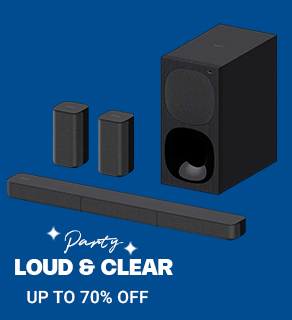
The final step in how to mount a TV on wall or set it up on a stand is connecting your external devices. Link your sound system connection like a soundbar, home theatre, or Bluetooth speaker, for more immersive audio. Then connect your streaming devices, consoles, and cable boxes.
For high-quality video and audio, use HDMI cables. If your TV supports Wi-Fi or smart features, complete the setup by connecting it to your network and adjusting settings for the best performance.
Conclusion
Installing a TV is a relatively easy process. But doing it carefully will be good for your comfort and aesthetics. From finding the perfect location to managing cables and adjusting lighting, these small details create a professional-looking home entertainment setup. Once everything is in place, you can sit back, relax, and enjoy your favourite shows, just the way they were meant to be seen.






.jpg)















.jpg)



.jpg)


.jpg)


_.jpg)