


The only way to be sure is through cautious observation, testing, and taking remedial steps when required.
Signs That Water May Not Be Safe
The easiest tests start with taste, colour, and odour. Bitter or metallic flavours could indicate dissolved minerals. Cloudiness is usually a sign of sediment, and odours of sulphur or chlorine can also raise concerns. Even discolouration on utensils or scaling in kettles is an indicator of excess hardness. These are simple ways to ensure safe tap water, and they help determine whether proper testing is needed.
Started Testing in a Home Environment
Advanced equipment is not required to begin this process. The first step is to observe the water’s colour and smell. For clarity rather than guesswork, the second step is how to check if the water is safe to drink at home using DIY kits. These are easily accessible, simple to use, and deliver instant readings of pH, hardness, and Total Dissolved Solids (TDS).
Methods That Consistently Produce Results
Although kits are helpful, they cannot identify all contaminants. Laboratory testing is the most accurate method for confirming results. Lab tests screen for bacteria, heavy metals, salts, and other chemicals. Reports provided are precise and easy to understand. The best practice is to use both approaches, combining kits for routine checks with laboratory confirmation, as this is one of the most practical methods to test water quality at home.
The Need for Ongoing Monitoring
Water quality is not a fixed characteristic, and factors such as monsoon rains, construction work, or changes in pipelines can alter it unpredictably. A once-safe supply may no longer be safe today. Hence, families need to learn home water testing facts. Testing every six months, and even sooner if there are changes in odour or taste, ensures constant protection.
What to Do If Water is Unsafe
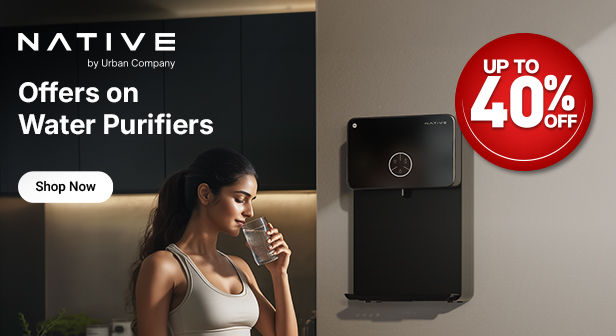
When tests indicate problems, action must be taken, and one of the most effective solutions is a purifier. Reverse Osmosis (RO) systems reduce TDS and eliminate metals, while Ultraviolet (UV) systems destroy bacteria and viruses, and Ultrafiltration (UF) systems target sediments. Households that practice testing drinking water at home can quickly link results to the right purification solution.